
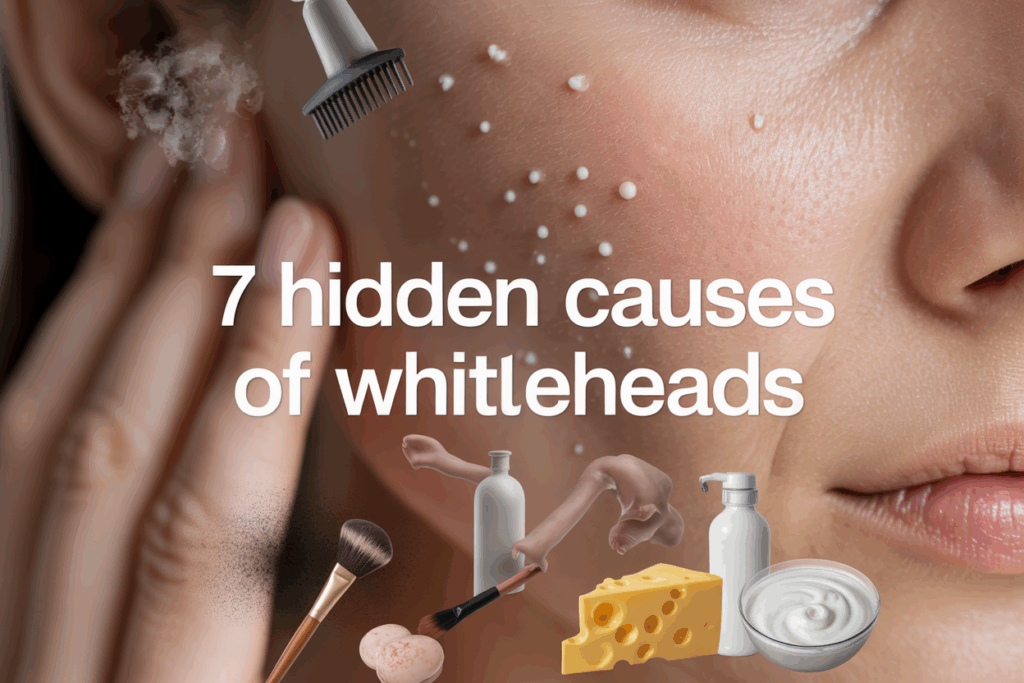
Struggling with stubborn whiteheads that won’t go away no matter what skincare routine you try? You’re not alone, and the real culprits might be hiding in plain sight.
This guide is for anyone dealing with persistent whiteheads who wants to uncover the sneaky triggers that most people—and even some skincare experts—overlook. We’ll dig into the surprising everyday habits and hidden factors that keep your pores clogged.
You’ll discover how your phone and pillowcase are secretly transferring bacteria to your face, why your favorite hair products might be sabotaging your skin, and how stress hormones team up with environmental pollution to create the perfect recipe for clogged pores. Get ready to finally connect the dots between your lifestyle and those frustrating bumps.
Your Hair Products Are Clogging Your Pores Without You Knowing
How sulfates and silicones migrate from hair to face
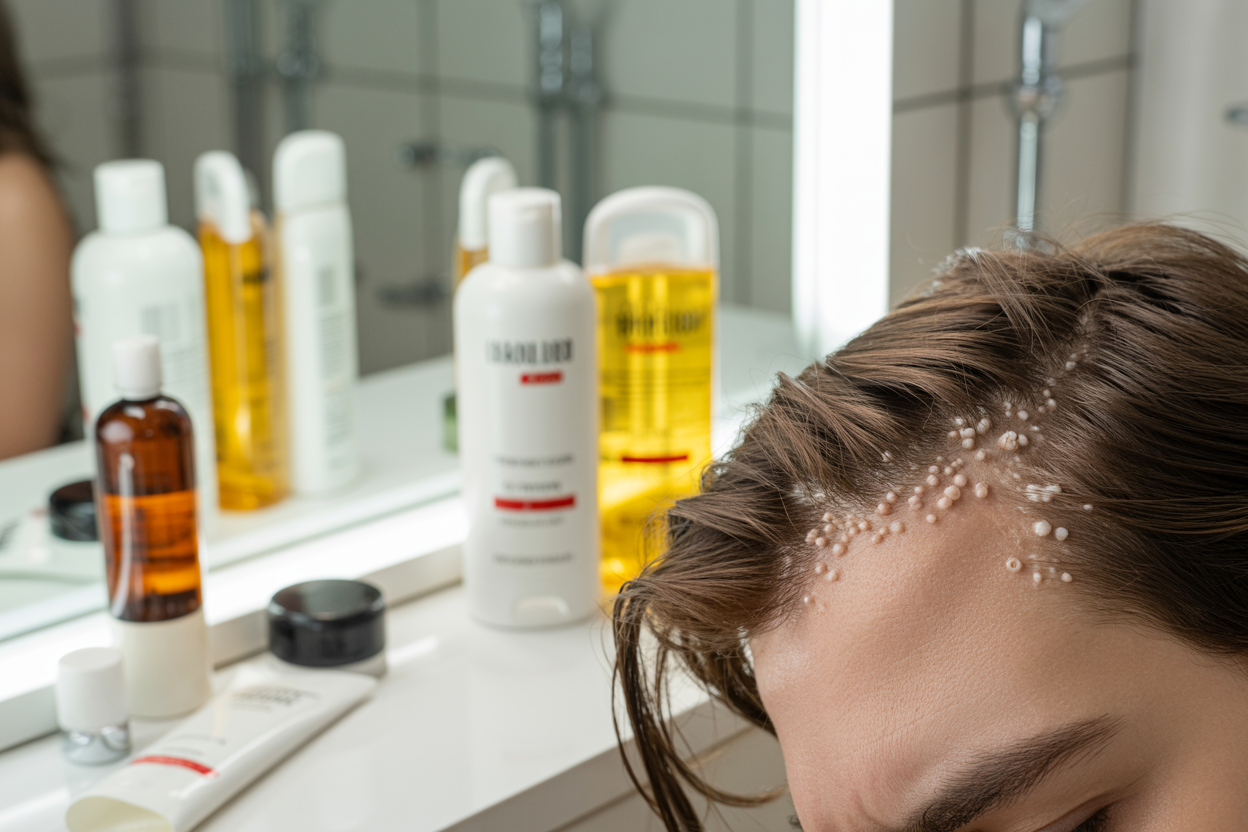
Your shampoo and conditioner don’t just wash out when you rinse. Sulfates like sodium lauryl sulfate create a slippery film that easily transfers from wet hair to your face during washing. When you lean forward to rinse, these pore-clogging agents run directly down your forehead and cheeks.
Silicones in conditioning products create an even bigger problem. These synthetic polymers, including dimethicone and cyclopentasiloxane, form a protective coating on hair strands. While this makes your hair feel smooth, these same silicones transfer to your pillowcase, towels, and skin. They create an occlusive barrier that traps dead skin cells and sebum beneath the surface, leading to those stubborn whiteheads along your hairline and jawline.
The connection between hair gel and forehead breakouts
Hair styling products pack serious pore-clogging potential. Gels, pomades, and styling creams contain heavy waxes, petroleum derivatives, and acrylic polymers that migrate from your hair to your forehead throughout the day. Every time you run your fingers through your hair or lean your head against a pillow, you’re transferring these comedogenic ingredients directly onto your skin.
Alcohol-based gels create a double problem. The high alcohol content initially dries out the skin, triggering your sebaceous glands to produce more oil to compensate. Meanwhile, the sticky polymers in the gel mix with this excess oil, creating the perfect recipe for clogged pores.
Why sleeping with wet hair creates the perfect breeding ground
Wet hair against your pillowcase creates a humid environment where bacteria thrive. Your damp hair holds onto product residue, chlorine from pool water, and environmental pollutants that then transfer to your pillowcase. This contaminated fabric becomes a breeding ground for acne-causing bacteria like Propionibacterium acnes.
The moisture also softens your skin’s protective barrier, making it easier for pore-clogging ingredients to penetrate. Your body temperature rises during sleep, causing any products in your hair to become more fluid and likely to migrate onto your face.
Product ingredients to avoid for clearer skin
| Ingredient Type | Common Names | Found In | Why It Clogs Pores |
|---|---|---|---|
| Sulfates | SLS, SLES, Ammonium Lauryl Sulfate | Shampoos, body washes | Creates residual film, strips natural oils |
| Heavy Silicones | Dimethicone, Amodimethicone | Conditioners, serums | Forms occlusive barrier, traps debris |
| Waxes | Beeswax, Carnauba wax, Ceresin | Pomades, styling creams | Comedogenic, difficult to remove |
| Petroleum Derivatives | Mineral oil, Petrolatum | Hair oils, treatments | Blocks pores, prevents natural shedding |
Look for water-based styling products instead of oil or wax-based formulas. Choose sulfate-free shampoos and lightweight, water-soluble conditioners. Always rinse your face after washing your hair, and consider using a clarifying face wash to remove any transferred residue.
Over-Washing Your Face Triggers More Oil Production
How stripping natural oils backfires on your skin
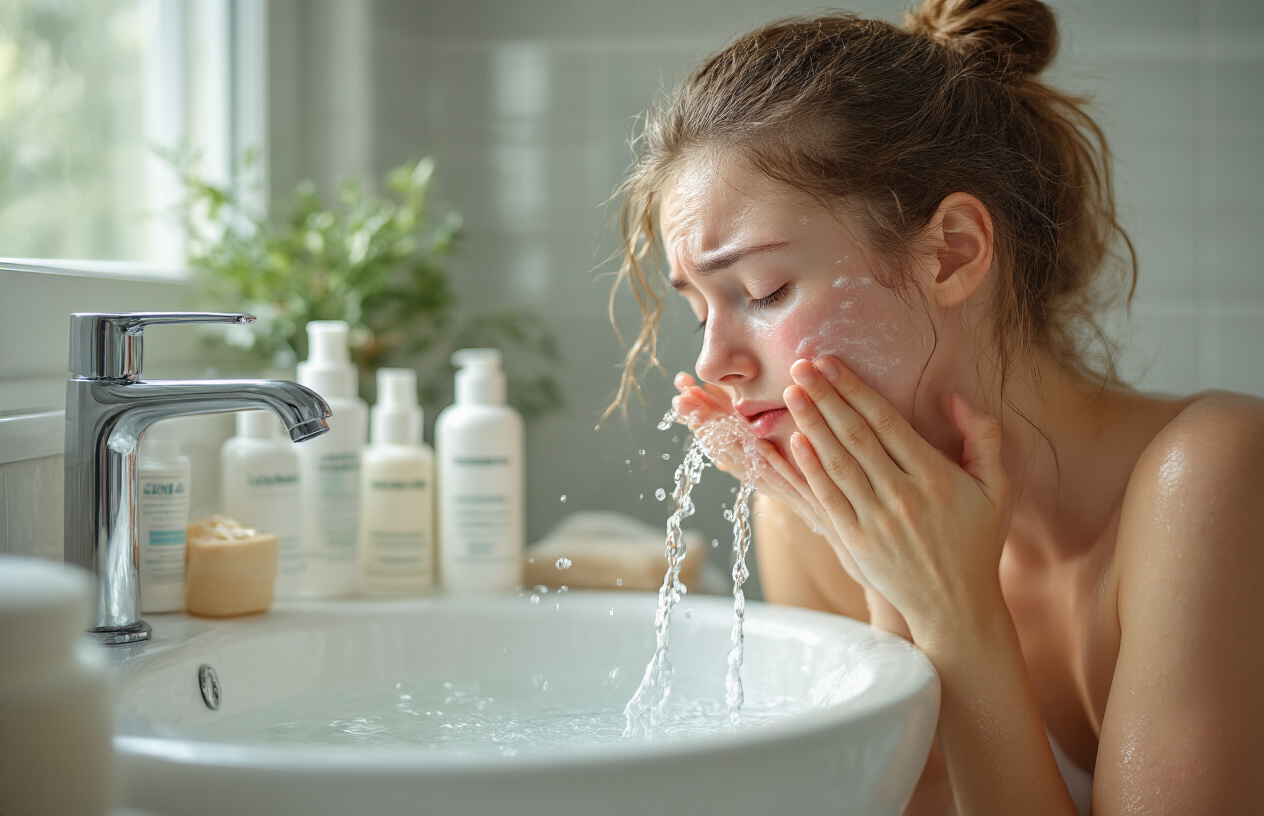
Your skin produces sebum for a reason – this natural oil acts as a protective barrier that keeps moisture in and harmful bacteria out. When you wash your face too frequently or use harsh cleansers, you’re essentially sending your skin into panic mode. The sebaceous glands detect this sudden loss of protective oils and respond by ramping up production to compensate.
Think of it like removing the roof from your house during a storm. Your skin recognizes it’s vulnerable and works overtime to rebuild that protective layer. The problem is, this rebound oil production often goes into overdrive, creating more sebum than you had originally. This excess oil mixes with dead skin cells and becomes the perfect recipe for whitehead formation.
Many people fall into this trap because initially, over-washing does make skin feel clean and less oily. But within hours, that tight, stripped feeling transforms into an oil slick that seems worse than before you started your aggressive cleansing routine.
The rebound effect that creates stubborn whiteheads
The rebound effect is particularly sneaky because it creates a vicious cycle that’s hard to break. When your skin overproduces oil in response to being stripped, this excess sebum doesn’t just sit on the surface – it gets trapped inside your pores along with dead skin cells and bacteria.
Here’s what happens during the rebound cycle:
- Hour 1-2: Skin feels clean but tight after washing
- Hour 3-4: Oil production kicks into high gear
- Hour 6-8: Excess sebum begins mixing with cellular debris
- Day 2-3: Pores become clogged with this oil-debris mixture
- Day 4-7: Whiteheads form as trapped material builds up
The whiteheads that result from this rebound effect tend to be more stubborn than regular breakouts. Because they’re created by your skin’s defensive response, they often appear in clusters and take longer to resolve. Your skin is literally fighting against your cleansing routine, making it nearly impossible to achieve the clear complexion you’re working toward.
Why your expensive cleanser might be making things worse
Price tags don’t always reflect skin compatibility. Many high-end cleansers contain potent active ingredients like salicylic acid, glycolic acid, or benzoyl peroxide that promise dramatic results. While these ingredients can be beneficial when used correctly, they’re often too harsh for daily use, especially when combined with frequent washing.
Expensive cleansers often include multiple active ingredients in higher concentrations, thinking more equals better results. But your skin doesn’t work that way. Using a cleanser with 2% salicylic acid twice daily when you only need it three times per week can strip your skin just as effectively as the harshest drugstore soap.
| Cleanser Type | Common Issue | Skin Response |
|---|---|---|
| Foaming cleansers | Strip natural oils aggressively | Triggers oil overproduction |
| Exfoliating cleansers | Over-remove dead skin cells | Causes irritation and rebound oil |
| Anti-acne cleansers | Contain multiple harsh actives | Creates barrier damage and inflammation |
The marketing behind expensive cleansers often promotes daily or twice-daily use without considering individual skin needs. Your skin might only require gentle cleansing once daily, but if you’re following product instructions designed for maximum product consumption rather than optimal skin health, you’re setting yourself up for the whitehead-producing rebound effect.
Hidden Dairy in Processed Foods Fuels Hormonal Breakouts

The IGF-1 hormone connection most people miss
Most people have heard that dairy can trigger acne, but they don’t understand the real culprit behind this connection. When you consume dairy products, your body produces insulin-like growth factor 1 (IGF-1), a hormone that directly stimulates sebaceous glands to produce more oil. This excess oil mixes with dead skin cells, creating the perfect environment for whiteheads to form.
IGF-1 also increases androgen activity, particularly testosterone, which makes your skin even oilier. What makes this tricky is that IGF-1 levels can remain elevated for hours after consuming dairy, meaning even a small amount of hidden dairy in your morning cereal could be affecting your skin throughout the day. Your skin essentially gets trapped in a cycle of overproduction, making those stubborn whiteheads appear faster than you can treat them.
Sneaky sources of dairy in unexpected foods
Dairy hides in places you’d never expect, sabotaging your clear skin goals without you realizing it. Processed meats like deli turkey and ham often contain milk proteins as binding agents. Many brands of chips, crackers, and even some dark chocolates contain milk powder or casein.
Restaurant foods are particularly sneaky – that “dairy-free” bread might be brushed with butter, and many salad dressings contain hidden whey or milk solids. Even some medications and supplements use lactose as a filler. Check these common hiding spots:
- Canned tuna and processed seafood
- Granola bars and protein bars
- Non-dairy coffee creamers (many still contain casein)
- Margarine and butter substitutes
- Instant mashed potatoes
- Packaged seasonings and spice mixes
How whey protein supplements sabotage clear skin
Whey protein is one of the worst offenders for acne-prone skin because it’s a concentrated source of IGF-1 and bioactive peptides that directly stimulate oil production. Unlike whole dairy products, whey protein delivers these acne-triggering compounds in a concentrated form, often leading to breakouts within 24-48 hours of consumption.
The timing of whey protein consumption makes things worse. Most people drink protein shakes post-workout when their bodies are already in a heightened state of inflammation and hormone fluctuation. This creates a perfect storm for clogged pores. Many fitness enthusiasts notice their skin clearing up dramatically when they switch to plant-based protein powders, even if they continue eating other dairy products.
Plant-based alternatives that support skin health
Plant-based proteins don’t trigger the same hormonal cascade that dairy does, making them much gentler on acne-prone skin. Pea protein, hemp protein, and rice protein blends provide complete amino acid profiles without the IGF-1 spike. These alternatives often contain additional skin-supporting nutrients like antioxidants and anti-inflammatory compounds.
For everyday dairy replacements, opt for:
| Dairy Product | Skin-Friendly Alternative | Skin Benefits |
|---|---|---|
| Milk | Oat or almond milk | Lower glycemic impact |
| Greek yogurt | Coconut yogurt | Probiotics without hormones |
| Cheese | Cashew-based cheese | Anti-inflammatory fats |
| Butter | Avocado or olive oil | Omega-3 fatty acids |
Coconut milk contains lauric acid, which has natural antibacterial properties that can actually help fight acne-causing bacteria. Almond milk provides vitamin E, an antioxidant that protects skin cells from oxidative damage that can worsen breakouts.
Stress Hormones Create the Perfect Storm for Clogged Pores
How cortisol increases oil production in specific areas
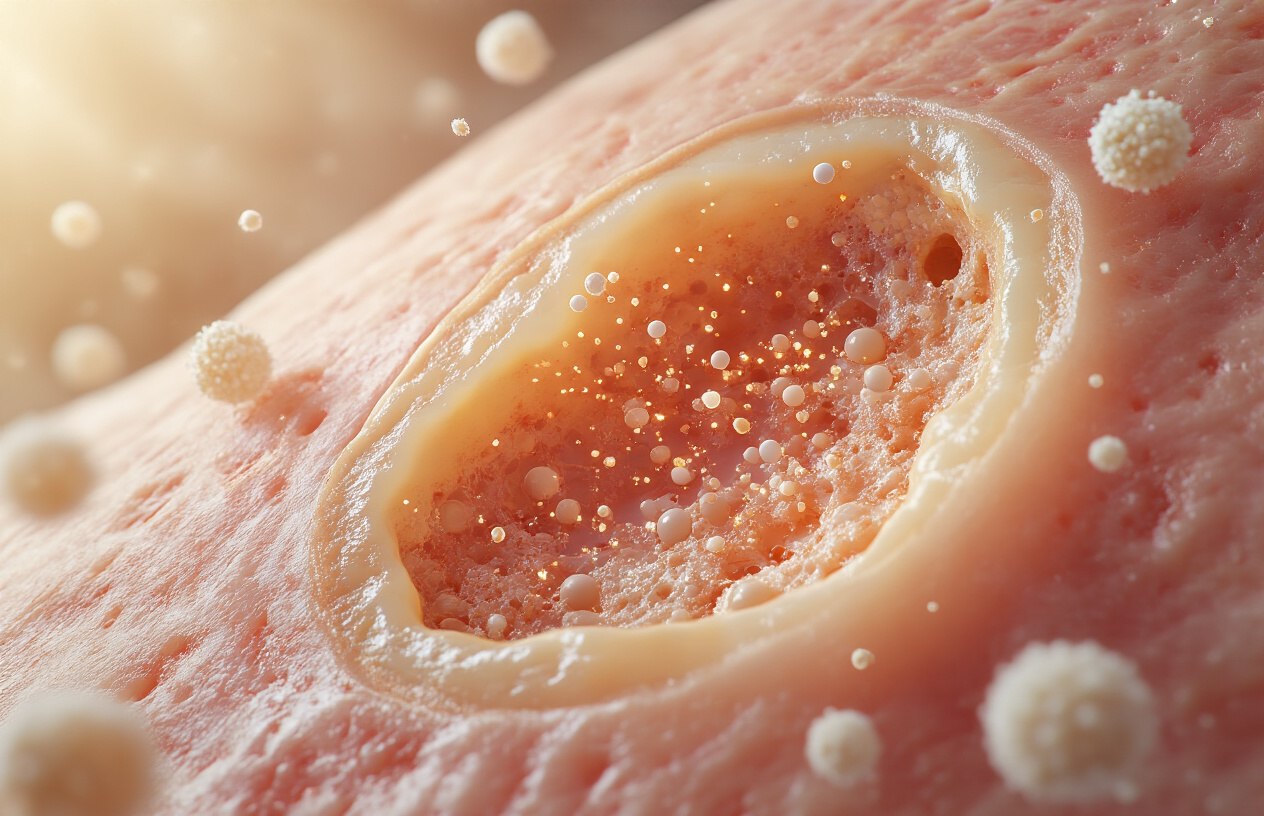
When you’re stressed, your body pumps out cortisol like it’s preparing for battle. This stress hormone doesn’t just make you feel anxious – it literally rewires your skin’s oil production system. Cortisol directly stimulates your sebaceous glands, particularly in your T-zone (forehead, nose, and chin), causing them to churn out excess sebum at an alarming rate.
Your face becomes an oil slick because cortisol triggers a cascade of reactions. It increases the size of oil glands and makes them more sensitive to other hormones like testosterone. This double-whammy effect explains why you might wake up with a shiny forehead after a stressful week, even if your skincare routine hasn’t changed.
The most frustrating part? Cortisol doesn’t distribute oil evenly across your face. It tends to target areas where you already have the most sebaceous glands. Your cheeks might stay relatively clear while your nose and forehead become whitehead central stations.
The sleep deprivation and whitehead connection
Poor sleep creates a vicious cycle that directly feeds whitehead formation. When you skimp on sleep, your cortisol levels stay elevated throughout the night instead of naturally dropping. This means your oil glands never get a break from hormone stimulation.
Sleep deprivation also wreaks havoc on your skin’s natural repair mechanisms. During deep sleep, your skin typically sheds dead cells and regenerates healthy tissue. Without adequate rest, these dead skin cells accumulate on your face, mixing with excess oil to create the perfect recipe for clogged pores.
Your immune system takes a hit too. Sleep-deprived skin can’t fight off the bacteria that contribute to whitehead formation as effectively. The result? Those tiny bumps multiply faster than you can treat them.
Research shows that people who sleep less than 6 hours per night have significantly higher rates of acne breakouts compared to those getting 7-8 hours of quality sleep.
Why your breakouts get worse during exam periods
Exam stress creates the perfect storm for whitehead explosions, and it’s not just about the stress itself. During high-pressure periods like finals, your entire routine gets thrown off balance.
You’re probably eating more convenience foods loaded with refined sugars and processed ingredients that spike insulin levels. This insulin surge works hand-in-hand with cortisol to supercharge oil production. Plus, you’re likely drinking more coffee and energy drinks, which can further elevate stress hormones.
The physical habits during exam periods make everything worse. You touch your face more while studying, transferring bacteria and oils from your hands to your pores. You might skip your regular skincare routine or use harsh products to “quick-fix” emerging breakouts, which only irritates your skin further.
Your study schedule probably involves staying up late under artificial lights, which disrupts your circadian rhythm and keeps cortisol levels elevated when they should be dropping. Even after exams end, it can take weeks for your hormone levels to normalize and your skin to calm down.
Your Makeup Brushes Harbor Months of Pore-Clogging Buildup
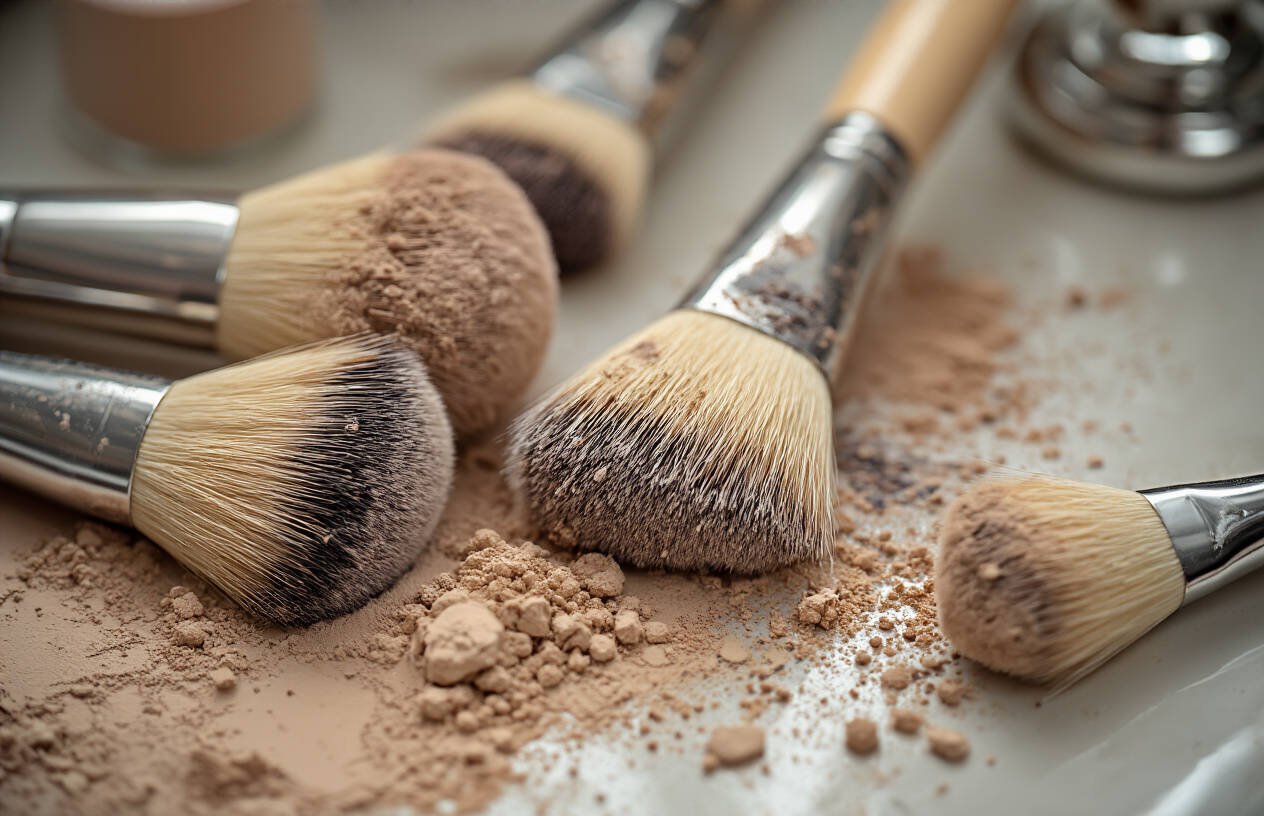
The bacterial ecosystem living in your beauty tools
Your makeup brushes are basically petri dishes disguised as beauty tools. Every time you dip a brush into your foundation or sweep it across your cheek, you’re transferring dead skin cells, sebum, and environmental particles directly into the bristles. Within 24 hours, bacteria start multiplying in this nutrient-rich environment.
The most common culprits include Propionibacterium acnes (the primary acne-causing bacteria), Staphylococcus epidermidis, and various strains of Streptococcus. These microorganisms thrive in the warm, moist conditions created by makeup residue mixed with natural oils from your skin. After just one week of use without cleaning, a single foundation brush can harbor over 1 million bacteria.
The problem gets worse with cream products. Liquid foundations, concealers, and cream blushes create an ideal breeding ground because they contain water and emulsifiers that bacteria love. Powder products are slightly better, but they still accumulate oils and dead skin cells that feed bacterial growth.
How old makeup residue creates inflammatory reactions
Old makeup buildup on brushes creates a perfect storm for skin inflammation. When you apply fresh makeup with contaminated brushes, you’re essentially painting bacteria directly onto your pores. This bacterial transfer triggers your immune system’s inflammatory response, leading to red, swollen whiteheads.
The oxidized makeup residue is equally problematic. Foundations and concealers contain oils that turn rancid over time, creating free radicals that damage skin cells and clog pores. These oxidized particles are smaller than fresh makeup particles, allowing them to penetrate deeper into your pores and cause more stubborn blockages.
Synthetic bristles tend to hold onto product more stubbornly than natural bristles, making them breeding grounds for longer periods. The rough texture of old, hardened makeup on brush bristles also creates micro-tears in your skin during application, providing entry points for bacteria.
Quick cleaning methods that actually work
Daily spot-cleaning takes just 30 seconds per brush. Spray a brush cleaning solution onto a clean tissue, then gently swirl the brush until no color transfers. For DIY solutions, mix equal parts isopropyl alcohol and water in a spray bottle.
Weekly deep cleaning requires more time but prevents serious buildup:
- Step 1: Rinse bristles under lukewarm water, pointing them downward
- Step 2: Apply a drop of gentle shampoo or specialized brush cleanser
- Step 3: Gently massage the bristles in your palm
- Step 4: Rinse thoroughly until water runs clear
- Step 5: Reshape bristles and lay flat to dry overnight
| Cleaning Method | Frequency | Time Required | Effectiveness |
|---|---|---|---|
| Spray cleaner | After each use | 30 seconds | Good for surface bacteria |
| Shampoo wash | Weekly | 5 minutes | Deep cleaning |
| Professional cleaner | Weekly | 3 minutes | Excellent for stubborn buildup |
Never use harsh soaps or hot water, as these can damage the bristles and loosen the ferrule (metal part that holds bristles).
When to replace brushes for optimal skin health
Quality brushes should last 1-3 years with proper care, but several signs indicate it’s time for replacement. If bristles start shedding excessively during cleaning or application, the brush has reached the end of its lifespan. Shedding bristles can scratch your skin and harbor bacteria in loose areas.
Check the ferrule regularly for loosening or rust. A loose ferrule means bacteria can accumulate between the metal and bristles where you can’t clean effectively. Rust indicates moisture damage that compromises the brush’s hygiene.
Synthetic brushes typically last longer than natural bristles, but both types should be replaced when they become too stiff or lose their original shape. Brushes used with liquid products need replacement more frequently than those used with powders.
Foundation and concealer brushes require replacement every 6-12 months due to heavy product buildup. Eye brushes can last 12-18 months since they handle lighter products. Powder brushes often last the longest, up to 2-3 years with proper maintenance.
If you’ve had a skin infection or severe breakout, replace all brushes immediately to prevent recontamination.
Environmental Pollution Particles Penetrate Deep Into Your Skin

How microscopic pollutants bypass your skin’s natural barrier
Your skin’s protective barrier wasn’t designed to handle the cocktail of modern pollutants we encounter daily. These microscopic particles – measuring less than 2.5 micrometers – are so tiny they slip through pores like sand through a net. Unlike larger dust particles that sit on your skin’s surface, these ultrafine pollutants penetrate deep into hair follicles and sebaceous glands.
Traffic exhaust, industrial emissions, and cigarette smoke contain nanoparticles that generate free radicals once they breach your skin. These unstable molecules damage cellular structures and trigger inflammatory responses. The inflammation causes your sebaceous glands to overproduce oil as a protective mechanism, creating the perfect environment for whitehead formation.
The urban vs rural skin difference nobody mentions
City dwellers face a unique skin challenge that dermatologists rarely discuss openly. Urban air contains 10-15 times more particulate matter than rural environments, creating a measurable difference in skin health between populations.
People living in metropolitan areas show significantly higher rates of comedonal acne, particularly whiteheads around the T-zone where pollution exposure peaks during daily commutes. Rural residents typically experience fewer clogged pores despite similar genetic predispositions and skincare routines.
The disparity becomes more pronounced in cities with heavy industrial activity or frequent traffic congestion. Asian metropolitan areas, where air quality monitoring reveals extreme pollution levels, report the highest incidence of pollution-related skin problems among young adults.
Why indoor air quality affects your complexion
Your home and office environments harbor hidden skin aggressors that most people overlook. Indoor air pollution often exceeds outdoor levels due to poor ventilation, synthetic materials, and chemical off-gassing from furniture, carpets, and cleaning products.
Volatile organic compounds (VOCs) from everyday items like air fresheners, printers, and synthetic fabrics create a toxic soup that your skin absorbs continuously. These chemicals disrupt your skin’s natural pH balance and compromise its ability to shed dead cells properly, leading to clogged pores.
Cooking fumes, especially from high-heat methods like frying, release microscopic oil particles that settle on your skin throughout the day. Without proper ventilation, these particles accumulate in your pores, mixing with natural oils to form stubborn whiteheads.
Protection strategies that go beyond basic skincare
Creating an effective anti-pollution skincare routine requires more than standard cleansing. Double cleansing becomes essential – start with an oil-based cleanser to dissolve pollution particles, followed by a water-based cleanser to remove remaining residue.
Antioxidant serums containing vitamin C, niacinamide, or green tea extract help neutralize free radicals before they damage your skin. Apply these protective barriers in the morning, creating a shield against pollution exposure throughout the day.
Physical protection works wonders too. Lightweight scarves or bandanas around your neck and lower face during commutes significantly reduce direct particle exposure. Choose natural fabrics that breathe well to avoid trapping moisture and bacteria against your skin.
Simple detox methods to clear pollution-related breakouts
Weekly clay masks containing bentonite or kaolin clay draw out embedded pollution particles from your pores. These natural magnets bind to impurities and lift them away without over-drying your skin.
Steam treatments open your pores and help flush out accumulated toxins. Add a few drops of tea tree oil to hot water and steam your face for 5-10 minutes, allowing the heat to soften hardened sebum mixed with pollution particles.
Lymphatic drainage massage boosts your skin’s natural detoxification process. Use gentle upward strokes with your fingertips to encourage circulation and help your body eliminate pollution-related toxins more efficiently.
Your hair products, overwashing habits, hidden dairy, stress levels, dirty makeup brushes, and environmental pollution are all working against your skin in ways most people never consider. These sneaky culprits create the perfect conditions for whiteheads to develop, often making you wonder why your usual skincare routine isn’t working. The good news is that once you know what’s causing the problem, you can take targeted action to prevent it.
Start by switching to non-comedogenic hair products, cutting back on face washing to twice daily, reading ingredient labels for hidden dairy, managing stress through regular exercise or meditation, and cleaning your makeup brushes weekly. If you’re still struggling with persistent whiteheads despite making these changes, it might be time to seek professional help. Advanced Skin Clinic offers personalized treatment plans that address the root causes of your skin concerns, not just the surface symptoms. Don’t let hidden whitehead triggers sabotage your confidence any longer.